Step 11
Lay out on cleared flat ground
Lay the empty tube out on cleared, flat ground and join tubes end to end.
Cleared flat ground
WATER-FILLED FLOOD BARRIER
A reusable, water-filled tube barrier for flood protection and site dewatering. Fill on site, join end to end, fold flat for storage and transport. Quote per order.
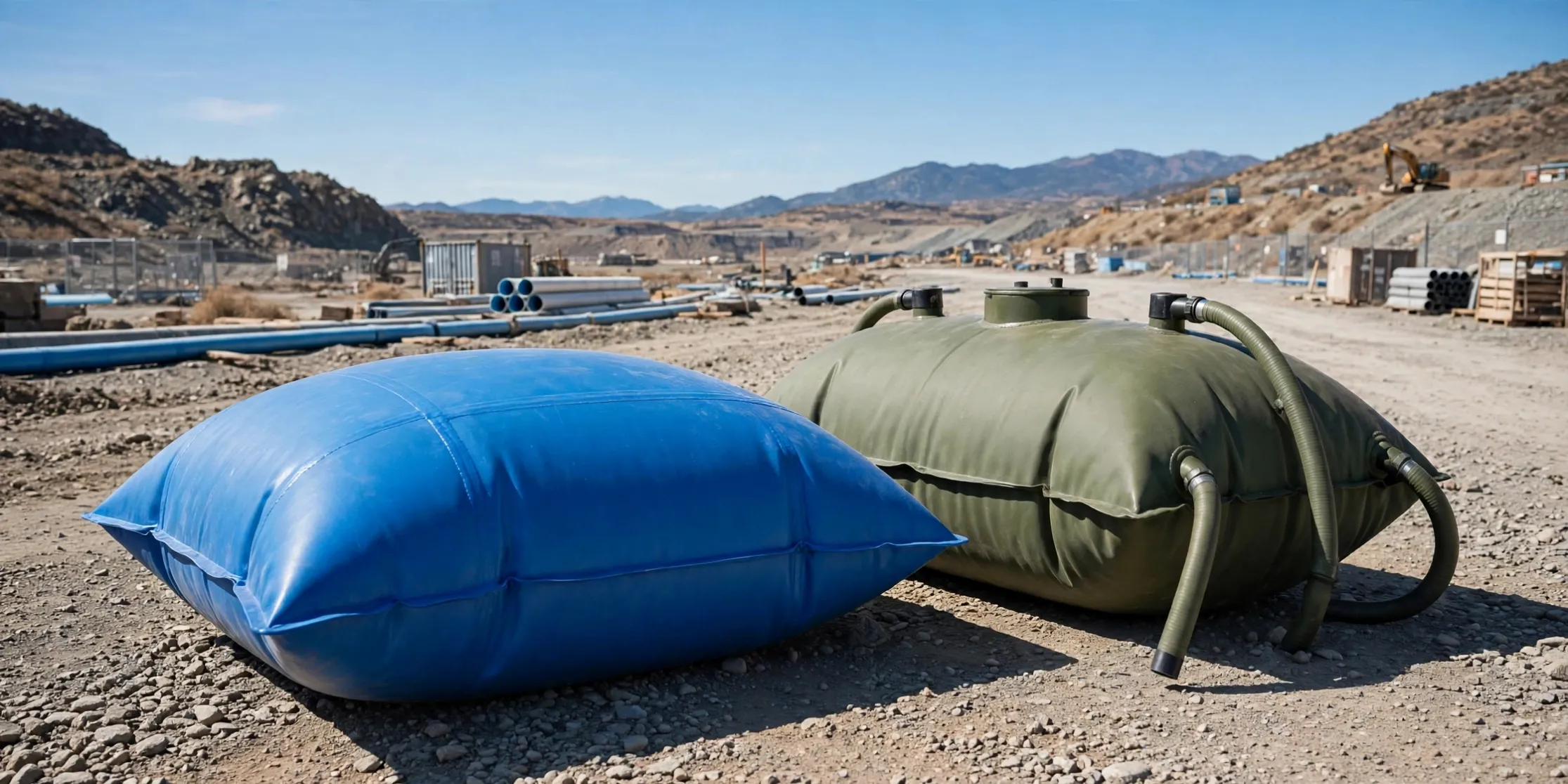
The barrier
A flexible tube laid empty, then filled with water on site. The water inside holds the barrier in place by weight. When the water is drained, the tube folds flat. It is for homes, warehouses, infrastructure, bridge, culvert and pipeline dry work areas, and municipal and emergency stockpiles.
The tube is laid out empty on cleared flat ground and joined end to end.
Fill through a standard fill connection. The water inside holds the barrier in place by weight.
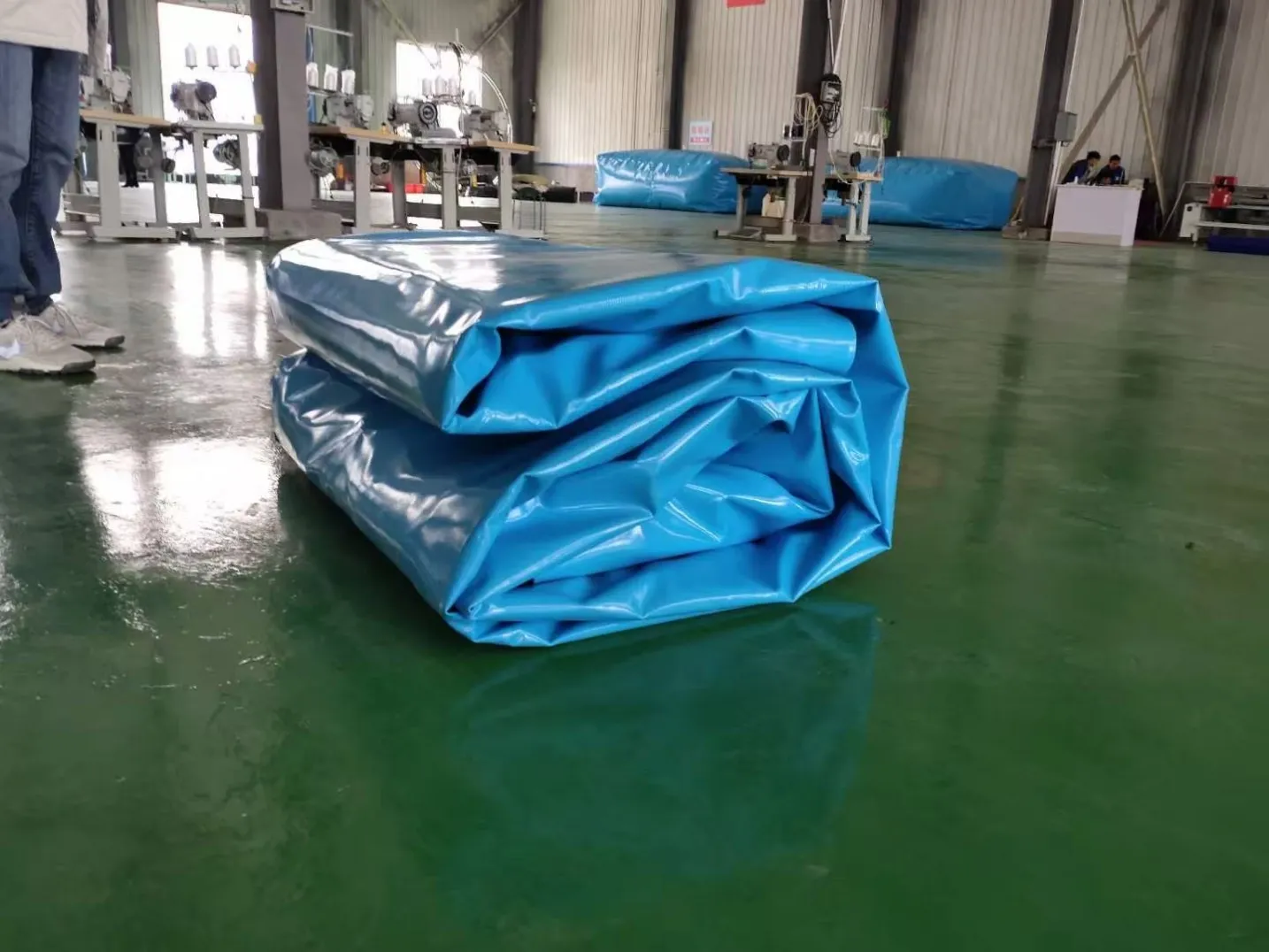
Drain the water, clean and dry the tube, then fold it flat for transport and storage.
Four steps
Lay the tube out, fill it with water, let the water hold it in place, then drain and fold it away.
Lay the empty tube out on cleared, flat ground and join tubes end to end.
Fill the tube with water on site through the fill connection.
The water inside holds the barrier in place by weight.
Drain the water, clean and dry the tube, then fold it flat and store it.
Sizes
Offered in 0.5 m and 1.0 m heights, 10 m per tube. Custom length and height confirmed in written quote.
A lower tube for shallower water. Joins end to end with other tubes.
A taller tube for deeper water. Joins end to end with other tubes.
Custom size — confirmed in written quote.
Where it is used
A water-filled barrier suits any place that needs a temporary line of water control.
Protect homes, warehouses and infrastructure from flood water.
Create a dry work area for bridge, culvert and pipeline work.
Store folded flat and deploy fast when flood water threatens.
Control water on industrial sites and around temporary works.
Versus sandbags
Sandbags work for small, one-off jobs. For a long continuous line, a water-filled barrier is faster to set out, reusable, and leaves fewer gaps — and it folds flat for transport and storage. Read the full comparison in our guide.
A long continuous line is quicker to set out than filling and stacking sandbags.
Drain the tube and use it again next time.
A continuous tube line leaves fewer gaps than a row of bags.
FAQ
Quick answers about the water-filled flood barrier — material, deployment, joining, reuse and quotes.
Still need help? Email sales@flexbladder.com and we will point you in the right direction.
Get a quote
Tell us the length and height you need and where the barrier will be used. We will confirm the specification, MOQ and lead time in a written quote.
Tell us the total length and the height you need.
Tell us about the ground and the water supply on site.
MOQ and lead time confirmed in written quote.
Related pages
More from Yito Ito.
Find a distributor for flexible liquid storage bladders.
Flexible PVC water bladder tanks for storage and transport.
Water bladder tanks for emergency and disaster relief.